

Vertical Blinds vs Horizontal Blinds: Which is Best for Your Home?
Choosing the right window treatment can make a significant difference in your space. When it comes to vertical blinds vs horizontal blinds, understanding their differences will help you make the best decision. Both offer unique benefits, and your choice will largely depend on your needs for privacy, light control, and design preferences.
1. What are Vertical Blinds?
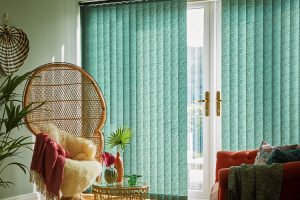
Vertical blinds consist of individual slats that hang vertically from a headrail. These slats can tilt to adjust the amount of light entering a room or be fully drawn to the side for an unobstructed view. Vertical blinds are trendy for covering large windows and sliding glass doors.
Advantages of Vertical Blinds:
- Perfect for Large Windows: Vertical blinds are excellent for wide expanses, such as patio doors or large bay windows. They can easily cover larger areas, ensuring full window coverage.
- Light Control: The adjustable slats allow for superior control of how much light enters the room. You can tilt them to let in diffused light or close them completely for privacy and darkness.
- Easy Maintenance: Vertical blinds, particularly those made from materials like PVC, are easy to clean and maintain. Dusting or wiping them down is often sufficient, making them ideal for high-traffic areas.
Where to Use Vertical Blinds:
- Living Rooms: They work perfectly in living spaces with large windows or sliding doors, providing complete control over sunlight and privacy.
- Kitchens: In moisture-prone areas, vertical blinds made from moisture-resistant materials like PVC or vinyl are ideal as they’re easy to clean and withstand kitchen environments.
2. What are Horizontal Blinds?
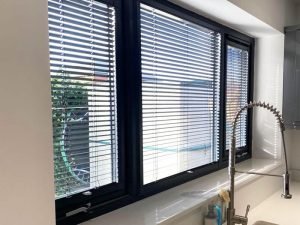
Horizontal blinds are designed with slats that run horizontally across the window. They are typically made from wood, faux wood, or aluminium. These blinds are lifted upwards to open and are great for smaller, narrower windows.
Advantages of Horizontal Blinds:
- Versatility: Horizontal blinds come in various materials, including wood, faux wood, and metal, offering versatile options to suit many décor styles. Wood blinds, for example, add warmth and elegance to a room, while faux wood or metal is durable and ideal for high-humidity areas like bathrooms and kitchens.
- Better for Small Windows: Horizontal blinds are suitable for smaller and standard windows. They offer a sleek, streamlined look, allowing precise light and privacy control.
- Energy Efficiency: Many horizontal blinds, such as wood or faux wood blinds, provide a layer of insulation. This can help reduce heat loss in the winter and keep a room cooler in the summer.
Where to Use Horizontal Blinds:
- Bedrooms: These blinds are a popular bedroom choice, offering excellent privacy and light control. Faux wood or blackout varieties are ideal for those who need to block out light for better sleep.
- Bathrooms: Horizontal blinds made from moisture-resistant materials like faux wood or aluminium are perfect for bathrooms with high humidity, providing privacy and easy cleaning.
3. Style Considerations
Consider your home’s overall style when considering vertical vs. horizontal blinds. Vertical blinds tend to give a room a more modern, functional appearance, especially in large, open spaces. On the other hand, horizontal blinds often bring a more traditional look, especially when made from materials like wood or faux wood.
Depending on the window sizes, vertical and horizontal blinds can fit well in homes with minimalist design elements. Horizontal blinds are perfect for simple, smaller windows in minimalist settings, while vertical blinds can complement large windows without cluttering the aesthetic.
4. Privacy and Light Control
Both types of blinds offer solid options for privacy and light control, but the choice will depend on the window size and room function.
- Vertical Blinds are great for managing light in large spaces. The ability to fully open or close them allows flexibility, especially in living or dining rooms, where large windows let in plenty of natural light.
- Horizontal Blinds: For smaller, narrower windows, horizontal blinds allow excellent light control. Adjusting the tilt of the slats can block out light without sacrificing privacy, making them perfect for bedrooms or bathrooms.
5. Maintenance
- Vertical Blinds: Cleaning vertical blinds is straightforward. The slats can be wiped down quickly; many fabric options come with machine-washable materials. Vertical blinds made from vinyl or PVC are even more accessible to maintain, needing only a quick wipe to stay dust-free.
- Horizontal Blinds: These blinds may require more regular maintenance as dust tends to settle on the horizontal slats. However, materials like faux wood or aluminium are low-maintenance and can be dusted or wiped with a damp cloth.
Conclusion
When it comes to vertical blinds vs horizontal blinds, the best choice depends on your specific needs. Vertical blinds work best for large windows or doors, while horizontal blinds are ideal for smaller windows. Consider the room’s function, light control needs, and overall aesthetic when choosing between these popular window treatment options. Both provide great flexibility, privacy, and style, making them valuable to any home.
Contact us to explore our selection and find the perfect blinds for the rooms in your home.